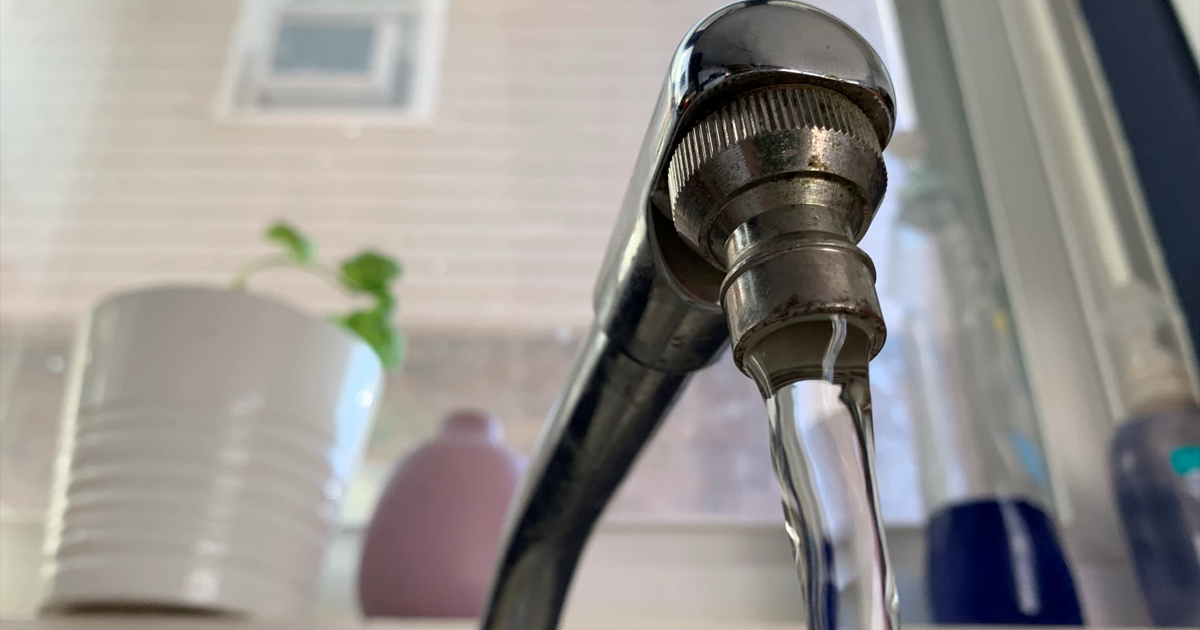
Kidsburgh – Ten years ago this summer, 81,000 Pittsburgh households received a worrisome letter about their tap water. High levels of lead had been found in 17% of samples.
The Pittsburgh Water and Sewer Authority (PWSA, now called Pittsburgh Water) had exceeded the U.S. EPA Lead and Copper Rule (action level of 22 parts per billion), triggering widespread alarm and drawing comparisons to the lead crisis in Flint, Michigan.
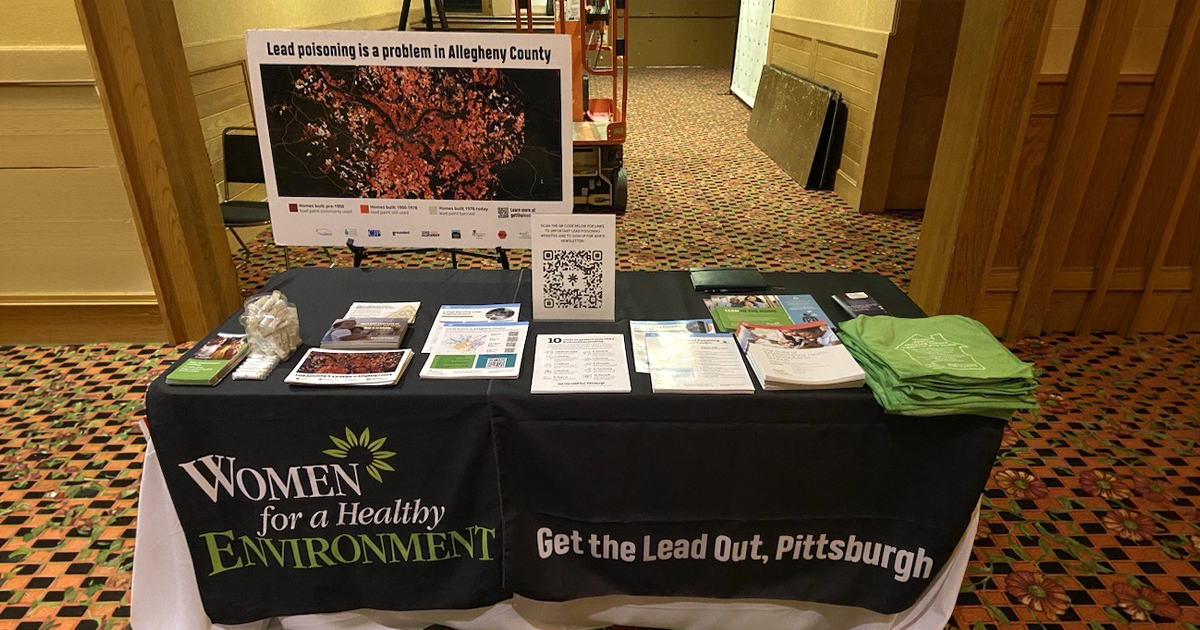
That’s when lead became a central focus for the Pittsburgh-based organization Women for a Healthy Environment (WHE), which works to educate, empower and advocate for healthier environments in homes, schools, and communities across Western Pennsylvania.
Between 2017 and 2024, 5,657 young children were identified by the Allegheny County Health Department (ACHD) as having elevated blood lead levels.
To address this problem, WHE has fought for better legislation and raised awareness. They have also completed 267 Healthy Homes assessments, and tested 196 school buildings and 99 early learning centers for lead and/or radon.
All of this work has made a difference: By 2024, lead levels in Pittsburgh’s tap water fell to a 20-year low.
This summer WHE is encouraging families to get their soil screened for lead, which can be done for free during pop-up screening events hosted by the Allegheny County Conservation District. Upcoming events include:
Registration is not required. Check ACCD’s online event calendar for the latest information and use the QR code below to learn how to collect your soil sample to bring to a pop-up screening event.